
QC Article 5: Champions In The Boardroom
Jun 04, 2026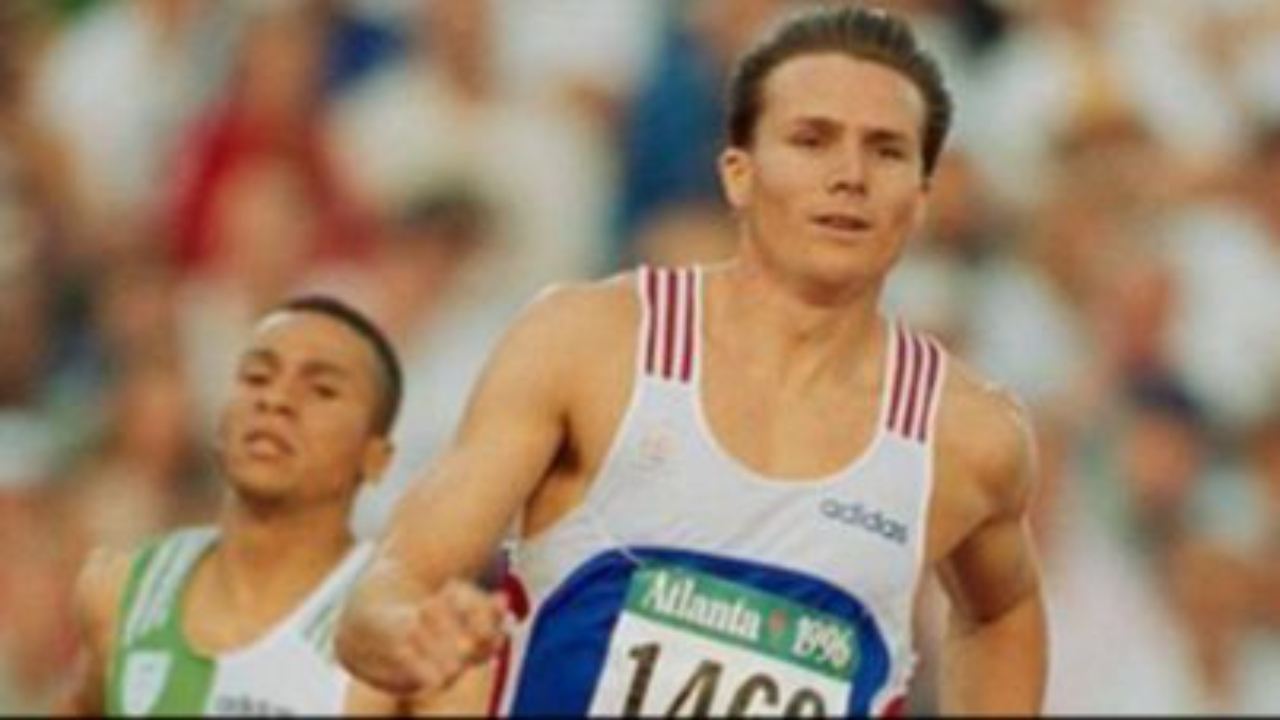
Quinntessential Coaching
Champions in the Boardroom
Elite sport. Senior leadership. The same mindset. Different arena.
Paul Quinn | Founder & CEO, Quinntessential Coaching & Westport Partners
The Same Game, a Different Arena
I have had the privilege, through the Quinntessential Questions Podcast, of sitting down with some of the world's most decorated athletes and sports professionals … people who have competed at the absolute highest level, under the most intense pressure, in front of the largest audiences. And without exception, when I ask them about their mental approach to performance, I hear themes that I also hear from the best senior leaders I have ever worked with.
The environments look completely different. One is a track, a pitch, a court, a ring. The other is a boardroom, a client meeting, a performance review, a negotiation table. But the psychological demands are remarkably similar: how do you perform at your best when the stakes are highest and the pressure is greatest? How do you manage failure without letting it define you? How do you sustain motivation through long periods of difficult, unglamorous preparation? The answers to those questions do not belong to sport. They belong to performance — in any context where excellence matters and pressure is real.
“Every athlete I have spoken to who reached the summit of their sport arrived there with something beyond physical talent. They had a relationship with difficulty that most people do not have — they had learned, through years of deliberate practice, to be more energised by pressure than diminished by it.”
What Elite Athletes Know That Most Executives Do Not
Roger Black — On Competing Under the Spotlight
Olympic silver medallist Roger Black, who I had the privilege of speaking with on Quinntessential Questions, talks about the moment before a major final as one of the most clarifying experiences of his career. The noise of the crowd, the weight of years of preparation converging on a few seconds of performance, the knowledge that everything is on the line. 'The athletes who underperform in finals,' he has observed, 'are almost always the ones who arrive trying to manage the occasion rather than embrace it. The ones who set personal bests in finals are the ones who have learned to see the pressure as a signal that something that matters is happening — and to respond to that signal with energy rather than anxiety.'
In boardroom terms: the professionals who perform best in high-stakes situations … the pitch for the transformational mandate, the negotiation for the career-defining package, the presentation to the investment committee; are the ones who have trained themselves to experience pressure as activation rather than threat.
“Embrace the pressure. Do not manage it. The occasion that feels most high-stakes is the occasion that will produce your best performance — if you have done the preparation and you have learned to read your own activation as an asset rather than a liability.”
Kanukai Jackson — On Mental Performance and Preparation
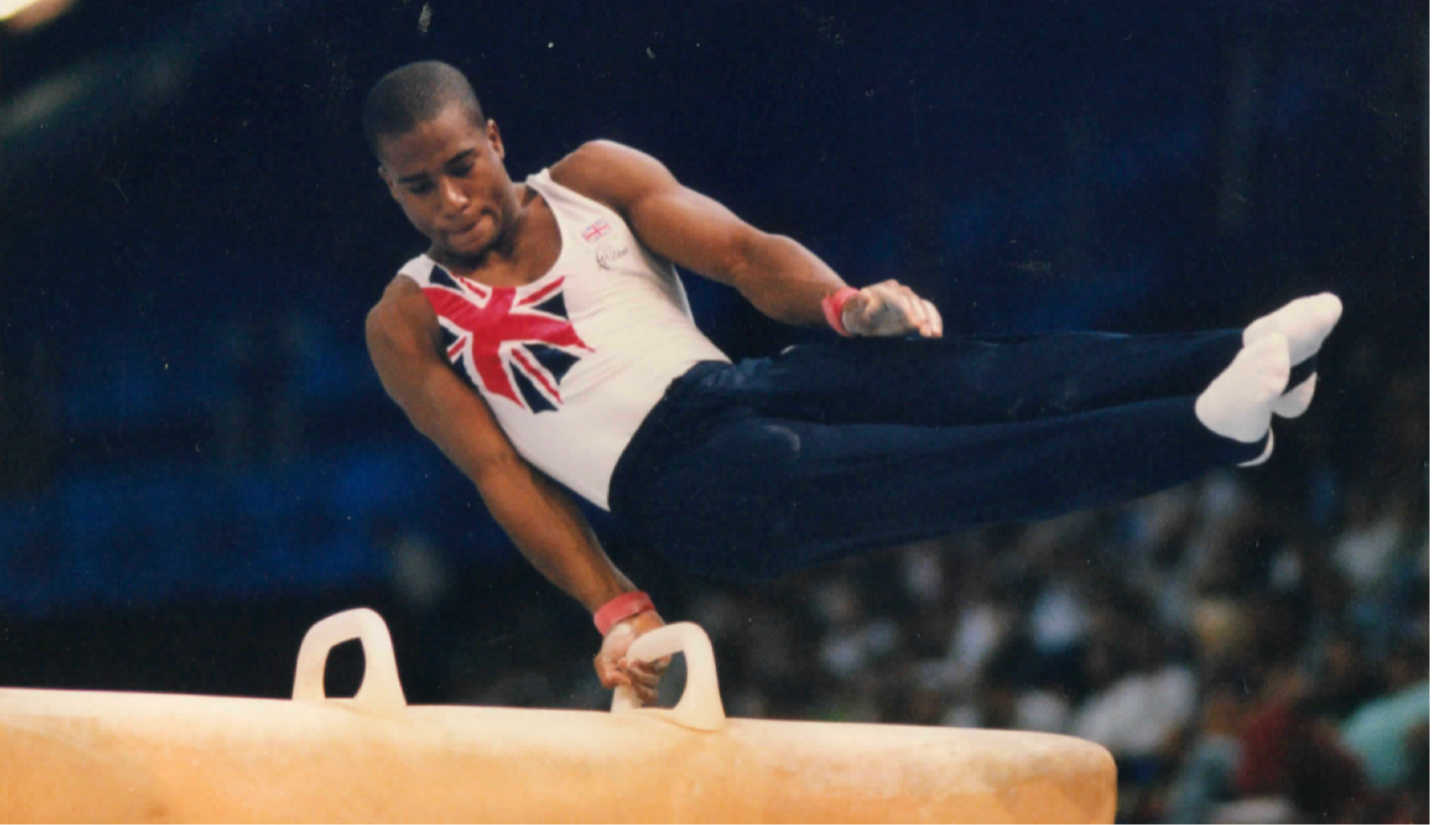
Kanukai Jackson: two-time Commonwealth Gold Medallist, Cirque du Soleil Head Coach and performer, and a faculty member of Quinntessential Coaching … brings a perspective on mental performance that spans elite gymnastics, circus performance and professional coaching. What he has found, across all three worlds, is that the relationship between preparation and confidence is multiplicative. The athlete who has done the work — who has practised the skill so many times that the execution is genuinely automatic — walks into the arena differently. Not arrogantly. But with a specific kind of calm that comes from knowing exactly what they have prepared for and trusting the preparation. That calm is communicable. In business, your clients and colleagues feel it too.
Kanukai's coaching approach centres on what he calls the internal performance environment … the specific mental state that allows a performer to access their full capability under pressure. It requires clarity of intention, emotional regulation, and physical preparation. The body is the primary instrument of performance, not an afterthought.
⚡ The Internal Performance Environment
Before any high-stakes professional moment, spend five minutes on three things: clarify your single most important intention for the interaction; do something physical to shift your state — walk, breathe deliberately, ground your body; and identify the one quality you most want to bring into the room. This is not a soft exercise. It is what elite performers do in the tunnel before they walk out.
Natalie Dau — On Resilience and the Recovery Edge
Natalie Dau, who has appeared on Quinntessential Questions and has a background in specialising in thought leadership and performance management, has spent her career studying what separates professionals who recover quickly from setbacks from those who get stuck in them.
Her observation … drawn from both the sports world and senior professional life; is that the fastest recoveries are almost never about being tougher in the conventional sense of suppressing the difficulty. They are about having a clear, pre-established narrative that contextualises the setback without catastrophising it. The athlete who misses a critical shot has two available narratives: this means I am not good enough, or this is the kind of difficulty that my preparation has equipped me to navigate. One is true and useful. The other is true and destructive. Choosing deliberately between them … quickly and consistently; is a trained skill, not a natural gift.
“The difference between failing at something and being a failure is the whole game. You are never a failure. You are someone who is learning — and every setback is data that the most successful people use and the least successful people are used by.”

The Five Principles That Cross the Line
Preparation Is Not Separate From Performance
In elite sport, the preparation is the performance. The race is the culmination of ten thousand training sessions, not a separate event that happens after them. The athlete who thinks the competition is the real thing and the training is the means to an end has fundamentally misunderstood where excellence is built. In business: the boardroom presentation is not the performance. The preparation that preceded it: the research, the rehearsal, the anticipation of objections — is the performance. What happens in the room is the expression of that preparation.
Consistency Beats Brilliance
No elite athlete builds a career on occasional moments of brilliance. They build it on showing up at the same high standard, day after day, across the long unglamorous middle of a career. In business: the professional who delivers at ninety percent of their capacity every single week outperforms the one who delivers at one hundred percent three times a year. Managers trust consistency. Clients trust consistency. Sponsors bet on consistency. Brilliance is memorable. Reliability is bankable.
Process Over Outcome
The athletes who choke in finals shift their focus from the process … the specific actions they need to execute right now to the outcome … what winning this will mean, what failure will cost. The outcome focus activates anxiety. The process focus activates performance. In business: when you are in the middle of a high-stakes presentation, the most dangerous thing you can do is think about how it is going. The most useful thing is to focus completely on delivering the next sentence as well as you can.
Recovery Is a Skill
Elite athletes train recovery as deliberately as they train performance. Sleep, nutrition, physical restoration, mental decompression: these are the maintenance of the most important performance instrument available. The business equivalent of the athlete who trains relentlessly without recovery is the executive who works hundred-hour weeks without sleep, exercise or genuine rest. Both burn out. Both underperform. Both would have achieved more with less volume and more intelligence about how performance is actually built and sustained.
Your Team Is Your Multiplier
No Olympic gold medallist got there alone. Behind every individual champion is a coach, a physiotherapist, a sports psychologist, and often a network of training partners and former athletes who have walked the path. The willingness to be coached — to seek out people who know more than you, to accept feedback that is uncomfortable, to change because someone else can see what you cannot — is the mark of every elite performer I have ever spoken to.
“The most dangerous professional is the one who stopped being coached. Not because they know everything — but because they stopped believing there was anything left to learn.”
The Boardroom Is Your Final
The career you are building is your athletic career. The preparation you are making now — the skills you are developing, the relationships you are building, the habits you are establishing, the self-knowledge you are accumulating — is your training. The boardroom moments that matter most are your finals.
The champions I have spoken to — Roger Black, Kanukai Jackson, Natalie Dau, and the many other exceptional performers who have sat across from me on the Quinntessential Questions Podcast — all share one quality that goes beyond talent. They have a relationship with performance itself that most people never develop: they genuinely believe in the connection between the work they put in and the results they produce, and they act on that belief every single day. That belief, and the daily discipline it produces, is available to every professional reading this.
“The scariest competitor is the one who can outlast the market. Make that your identity. Show up every day. Keep improving. Keep going. Champions are not born in the moments under the spotlight. They are built in the thousands of ordinary moments before it.”
You have the degree. You have the experience.
Now invest in the most important asset of all.
Paul Quinn | Founder & CEO | Quinntessential Coaching
quinntessential-coaching.com • @PAULQUINNOFFICIAL